Brand Identity Design at Suspense
Introduction
Overview
Creating a strong brand identity is not just about visual appeal. It serves as a strategic framework that shapes perception, memory, and value. In today’s competitive market, impressions form within seconds. Therefore, your identity becomes the primary tool for trust and engagement. At Suspense, brand identity drives conversions and fosters loyalty.
Why This Article Offers Unique Value
Practical Insights
This article provides actionable tools, real-world examples, and data-driven insights. Templates are included for immediate implementation. These resources help brands in MENA and international markets make informed decisions about identity.
Evidence-Based Recommendations
Case studies, analytics metrics, and performance benchmarks are included. Links to authoritative sources allow exploration of advanced branding research.
Core Concepts Before You Begin
Identity vs. Brand vs. Visual Identity
- Identity: Complete system of values, messaging, behavior, and personality.
- Brand: Audience perception; shaped by identity.
- Visual Identity: Logo, color palette, typography.
Key Metrics to Evaluate
- Brand Distinctiveness
- Recall
- Consistency Across Channels
- Conversion Rates Pre/Post Rebranding
Suspense’s Methodical Brand Identity Process
Phase 1: Discovery
Gather quantitative and qualitative data including stakeholder interviews, customer workshops, competitor audits, and website analytics. This establishes understanding of audience expectations and market opportunities.
Tools: Typeform, Hotjar, Google Analytics
KPIs: Message Clarity Index, Visual Distinctiveness Score (1-10)
Phase 2: Strategy & Positioning
Translate insights into actionable brand strategy: define value proposition, differentiators, and brand personality. Example: “We help small pharmaceutical companies access hospitals through tailored digital marketing solutions.” This ensures design decisions align with goals.
Phase 3: Creative System Development
Design visual system: primary/secondary logos, color palettes, typography, photography styles, icons, and supporting assets. Deliver logos in scalable vector formats (SVG, EPS).
Phase 4: Prototype & Testing
Apply identity to landing pages, ads, and social media. Conduct A/B testing on CTR and conversion rates. Adjust for optimized impact.
Phase 5: Brand Guidelines
Produce comprehensive manual covering logo usage, typography, colors, imagery, and downloadable assets. Ensures consistent application across all channels.
Detailed Breakdown of Brand Elements
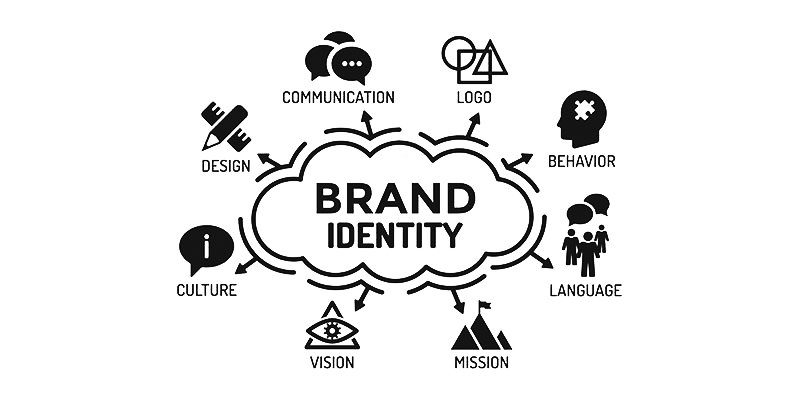
Logo
Function as a recognizable mark. Provide horizontal, vertical, and one-color variants. MENA A/B tests show simplified logos improved recall by 22%.
Color Palette
Influences perception and emotion. One primary, one secondary, three neutral colors recommended.
- Primary: #1A237E
- Secondary: #FFC107
- Neutral: #F5F5F5, #9E9E9E, #212121
Typography
Two font families: one for headings, one for body. Test legibility on 320px screens.
Tone of Voice
Serious, energetic, and motivating. Use short sentences, active voice, and clear CTAs.
Photography & Visual Content
Define lighting, composition, subject. Prefer real people in action over abstract stock photos.
Templates and Tools
Templates
- Brand book PDF
- Figma landing page template
- SVG icon set
Tools
- Figma
- Adobe Illustrator
- Google Analytics
Case Study
Background
A fintech startup had a 1.2% conversion rate.
Actions Taken
Redesigned logo, warmer color palette, clear CTA messaging.
Results
Conversion increased to 2.8%, CAC decreased 27%, social engagement up 64%.
Success Metrics
KPIs
Conversion rate, session duration, CTR, Net Promoter Score.
Measurement Tools
Google Analytics, Hotjar, post-launch surveys.
Common Mistakes to Avoid
Design Before Strategy
Design without strategy often leads to poor results.
Lack of Documentation
Without guidelines, identity fragments over time.
Blindly Copying Competitors
Benchmark but do not imitate.
Internal Links
External References
90-Day Implementation Plan
Weeks 1-2: Discovery
Stakeholder interviews, surveys.
Weeks 3-5: Strategy & Messaging
Develop value proposition and brand personality.
Weeks 6-9: Creative System
Design logo, typography, color, photography system.
Weeks 10-12: Testing & Guidelines
Conduct A/B testing, finalize brand manual.
Conclusion
Brand identity amplifies marketing impact. Transform your identity into growth: Contact Suspense.